
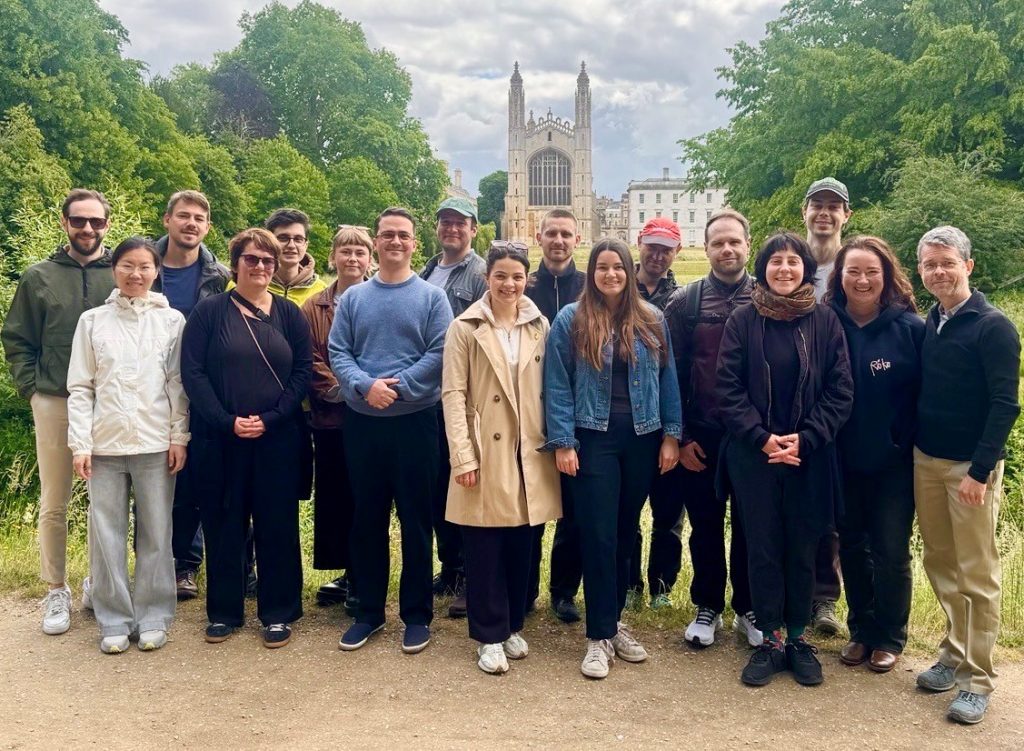
Our annual Perspectives Meeting 2026 brought together colleagues from Berlin and Cambridge
Read More →
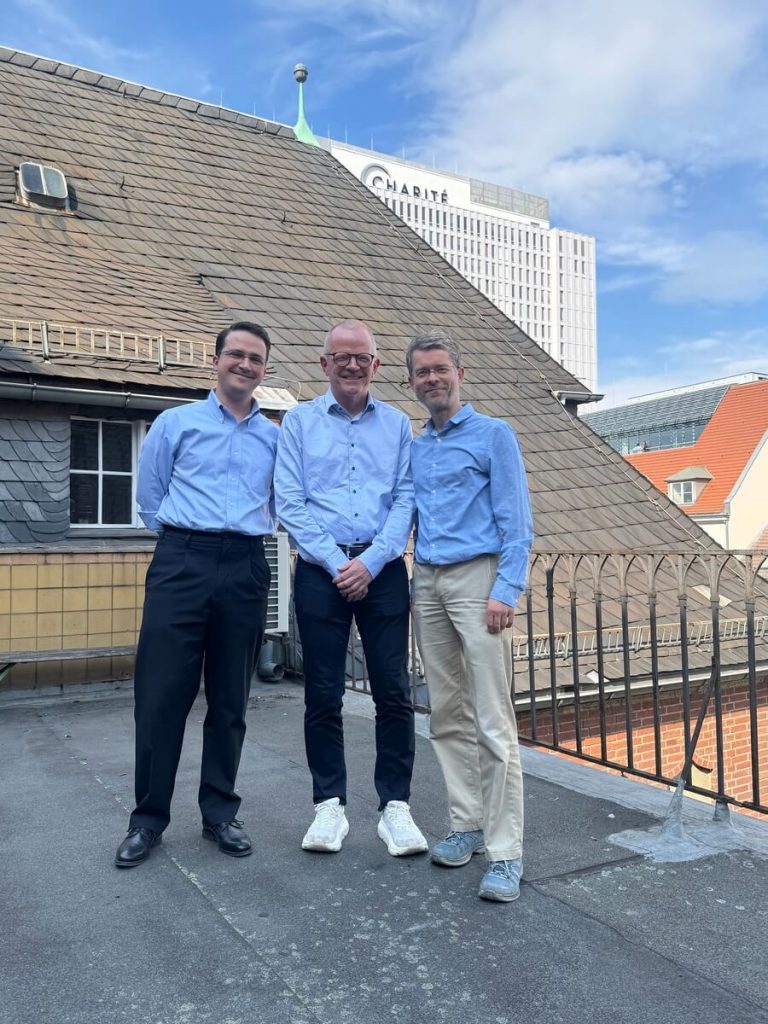
New project: Aortic Valve Imaging and AI-driven Prediction
We are pleased to share the successful kick-off meeting of
Read More →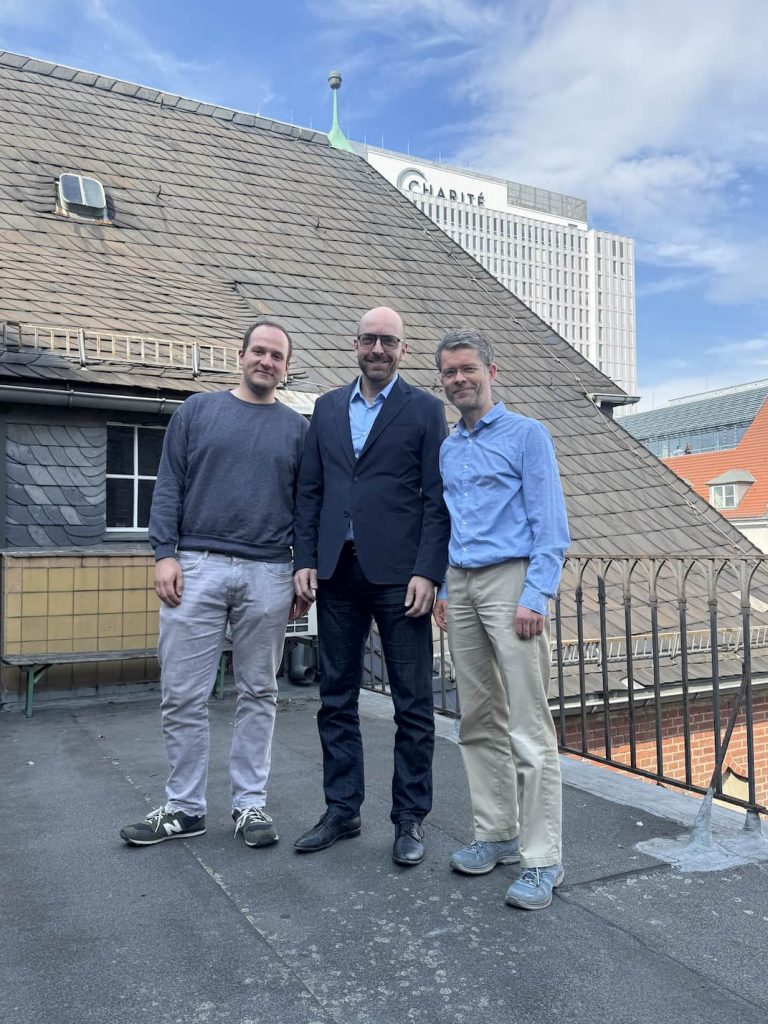
Exploring coronary atherosclerosis through imaging
We are excited to share the kick-off meeting of our
Read More →The DISCHARGE Trial

The DISCHARGE trial is a large international randomised clinical trial investigating the safest and most effective diagnostic strategy for patients with stable chest pain and an intermediate likelihood of coronary artery disease (CAD). Conducted across 26 clinical centres in 16 European countries, the trial included 3,561 patients and compared two established diagnostic approaches: non-invasive coronary CT angiography (CCTA) and invasive coronary angiography (ICA).
Published in the New England Journal of Medicine, DISCHARGE demonstrated that starting with CCTA resulted in fewer major procedure-related complications than an invasive-first strategy, without a statistically significant difference in major cardiovascular events, including cardiovascular death, heart attacks and strokes, over a median follow-up of 3.5 years. These findings have contributed to the growing role of CCTA in clinical guidelines and routine cardiovascular care.
Further publications in leading medical journals, including The BMJ, JAMA Cardiology and Radiology, have explored important aspects of cardiovascular diagnosis and care, such as differences between women and men, the influence of age and other risk factors, coronary plaque characteristics, and patients’ quality of life. Together, these analyses provide a more comprehensive understanding of how diagnostic strategies can be tailored to individual patients.
DISCHARGE is funded by the European Union Seventh Framework Program. ClinicalTrials.gov number: NCT02400229.
DISCHARGE-Extend
Building on these findings, DISCHARGE-Extend follows participants from the original trial to investigate the long-term safety and effectiveness of both diagnostic strategies over a median follow-up of approximately 10 years. The study aims to determine whether an initial CCTA strategy improves long-term cardiovascular outcomes compared with an invasive-first approach.
Participants in both original study groups will also be invited for follow-up coronary CT imaging and laboratory investigations, including blood tests to assess cardiovascular risk factors and kidney function. Advanced CT image analysis will assess coronary plaque burden and characteristics, providing further insights into the long-term development of coronary atherosclerosis. Together with clinical and laboratory findings, these analyses may contribute to more individualised cardiovascular risk assessment and preventive treatment.
The DISCHARGE-Extend Core Lab is funded by the DFG.
Together, DISCHARGE and DISCHARGE-Extend aim to improve diagnostic decision-making, reduce unnecessary invasive procedures, and advance safer, more personalised cardiovascular care.
If you would like to learn more about the trials, their findings, or opportunities for scientific collaboration, please contact our research team.
Email: discharge.eu@charite.de
The INCHARGE Trial
Invasive or Non-Invasive Coronary Angiography in Stable Patients with High Clinical Likelihood of Coronary Artery Disease According to European Guidelines
The INCHARGE trial is an international randomised clinical trial that aims to improve the diagnosis and management of patients with stable chest pain and a high likelihood of coronary artery disease (CAD). While invasive coronary angiography is commonly used in patients with a high likelihood of CAD, INCHARGE investigates whether starting with the less invasive coronary CT angiography is equally safe and can reduce the need for invasive procedures.
INCHARGE compares two established diagnostic strategies: an initial coronary CT angiography and an initial invasive coronary angiography. Both approaches are part of routine clinical care, with subsequent examinations and treatments guided by medical findings and current European guidelines. The primary goal is to determine whether a CT-first strategy is as safe as an invasive-first strategy in terms of major cardiovascular events, including cardiovascular death, heart attacks and strokes.
The trial aims to enroll approximately 3,400 patients across Europe. Participants will be followed for several years to assess cardiovascular outcomes, safety and the long-term effectiveness of both diagnostic strategies. An extended follow-up will provide further insights into long-term patient outcomes. Participation is subject to specific medical inclusion criteria.
The INCHARGE trial is funded by the DFG, DZHK, and BHF via the GCRFF mechanism.
If you would like to learn more about the study design, participating centers, or eligibility criteria, please contact our research team.
Email: incharge@charite.de and incharge@medschl.cam.ac.uk
The IMPRO Trial
Improved Management of Patients with Recent-Onset Stable Chest Pain
The IMPRO study is a nationwide stepped-wedge trial that aims to improve care for patients in Germany with recent-onset stable chest pain and suspected coronary artery disease (CAD). Although coronary CT offers an accurate, less invasive alternative to cardiac catheterization for many of these patients, Germany still performs more catheterizations per capita than any other country.
IMPRO tests a new cross-sectoral care model designed to bring coronary CT into routine outpatient care while avoiding overtreatment. The model combines evidence-based initial assessment, shared decision-making, and quality-assured CT at certified centers. The primary goal is to determine whether this approach reduces cardiovascular events, such as heart attacks and strokes, and improves long-term patient outcomes.
The trial aims to enroll about 3,400 patients across 16 regions in Germany, with more than 300 primary care and cardiology practices and 22 certified CT centers. It is currently in its follow-up phase, tracking long-term patient outcomes and assessing the overall effectiveness of the care provided. Participation is subject to specific medical inclusion criteria.
IMPRO is funded by the Innovation Fund of the Federal Joint Committee (G-BA) (grant number 01NVF24302).
If you would like to learn more about the study design, follow-up phase, or eligibility criteria, please contact our research team.
Trial email: impro@charite.de
Follow-up Core Lab email: impro-fu@charite.de
Telephone: 030 450 527 450
The GUIDE-IT Project

The GUIDE-IT project addresses the complex challenges of curating and sharing large, highly demanding datasets from randomized imaging trials. Because these trials compare different medical imaging strategies, they are essential for advancing patient care and shaping clinical guidelines.
However, data sharing in this field remains difficult. GUIDE-IT aims to overcome these barriers through the establishment of a dedicated infrastructure tailored specifically to the needs of data providers and users.
By unlocking the potential of shared medical imaging data, GUIDE-IT seeks to accelerate the development of innovative imaging biomarkers through artificial intelligence and radiomics. If you would like to learn more about the infrastructure, our methodology, or how to get involved with the project, please reach out to our team.
Email: guideit@medschl.cam.ac.uk
Fractal Analysis
Fractal Analysis is a method to non-invasively characterise micro-vascular structures based on perfusion imaging, exploiting the fractal structure of the vessel tree and blood flow, developed by Florian Michallek in collaboration with Marc Dewey.
After scientific validation, it is now being translated into clinical practice to improve the diagnostic pathway in prostate cancer.
The method is covered by patents US10991109B2 in the US and EP3350773B1 in Europe.
If you would like to learn more about the method or how to get involved, please reach out to Florian Michallek.
Email: florian.michallek@charite.de
CAD-Man and CAD-Man EXTEND
Coronary Artery Disease Management
The CAD-Man trial is a randomised clinical trial conducted at Charité – Universitätsmedizin Berlin to investigate whether coronary CT angiography (CCTA) could provide a safer, less invasive diagnostic approach for patients with suspected coronary artery disease (CAD). The study included 340 patients with atypical chest pain who had been referred for invasive coronary angiography (ICA).
CAD-Man compared two diagnostic strategies: starting with non-invasive cardiac CT or proceeding directly to ICA. Published in The BMJ, the trial demonstrated that a CT-first approach substantially reduced the need for ICA, with only 14% of patients in the CT group requiring the procedure compared with 100% in the invasive-first group. These findings provided important early evidence supporting the use of cardiac CT to avoid unnecessary invasive examinations while maintaining diagnostic accuracy.
Understanding Coronary Artery Disease Over Time
Building on the original trial, CAD-Man EXTEND investigates the long-term effects of the two diagnostic strategies over approximately ten years. The follow-up study combines clinical assessments, laboratory investigations and coronary CT imaging to examine cardiovascular outcomes and the development of coronary atherosclerosis.
A particular focus is the assessment of coronary plaque burden using advanced CT imaging analysis. By comparing patients originally assigned to CT-first and invasive-first management, the study aims to investigate whether the initial diagnostic strategy is associated with differences in coronary plaque burden over time. Additional analyses explore the relationships between plaque progression, cardiovascular risk factors, blood biomarkers and preventive medication.
Together, CAD-Man and CAD-Man EXTEND contribute to a better understanding of how non-invasive cardiac imaging can guide clinical decisions, reduce unnecessary invasive procedures and support more personalised cardiovascular prevention.
If you would like to learn more about the studies, their findings or opportunities for scientific collaboration, please contact our research team.
Email: cad-man-extend@charite.de
Histo-CT
Identifying patients at risk of adverse cardiovascular events is crucial for guiding timely intervention and improving long-term outcomes. Coronary CT angiography remains the cornerstone of non-invasive plaque assessment, yet its spatial resolution limits the accurate characterization of high-risk plaque features that drive disease progression. The Histo-CT project addresses this gap by leveraging higher-resolution imaging modalities, including CT with up to nanometer resolution and histology, to improve the quantification of coronary plaque. Through the application of sophisticated deep learning methods, Histo-CT aims to bridge the resolution gap between clinical CT and ground-truth histological detail, enabling more precise identification of vulnerable plaque. By refining plaque quantification at this level of granularity, Histo-CT seeks to advance the development of next-generation imaging biomarkers, ultimately supporting earlier and more accurate risk stratification in clinical practice.
Join us or collaborate with us!
We welcome students interested in a student research project (Hausarbeit), bachelor’s or master’s thesis, or PhD, as well as researchers and clinicians seeking collaboration. Contact our team to learn more about our projects and available opportunities.
Health Economics
Cost-effectiveness of CT in the DISCHARGE trial
This project asks whether a CT-first strategy for patients with stable chest pain is cost-effective compared with invasive coronary angiography (ICA). We use individual patient data from the countries in the DISCHARGE trial to analyse costs, quality of life (QALYs) and clinical events. The primary approach costs each country separately, and pooled analyses complement it. Long-term data from DISCHARGE EXTEND, with 10-year follow-up, let us cover a large part of the lifetime horizon with directly observed data. The aim is to give healthcare decision-makers robust evidence for planning care across different European health systems.
INCHARGE: Target trial emulation in the DISCHARGE trial
INCHARGE uses DISCHARGE data and target trial emulation to address questions the original trial design did not directly cover. A central question is which patient groups benefit most from a CT-first or an ICA-first strategy.
Aortic Valve
Aortic stenosis is the most common heart valve disease in developed countries, and no medical therapy can yet prevent or slow its progression. Fibrotic and calcified changes both drive the disease, but standard CT calcium scoring captures only calcification.
This project develops AI-supported methods that automatically measure aortic valve fibrosis, calcification, and peri-aortic inflammation on routine CT angiography. Using clinical and CT data from more than 5,000 patients in the CAD-Man, DISCHARGE, and IMPRO trials, we will:
- Automate the measurements and validate them against expert readers and histology
- Track disease progression over up to 10 years and compare the CT findings with echocardiographic measures of valve function
- Develop and validate a new integrated risk score for long-term clinical outcomes
The new imaging biomarkers could enable earlier risk assessment, better timing of valve replacement, more personalized care, and faster clinical trials of new therapies. Analyses will specifically consider differences between women and men. The project is funded by the German Research Foundation (Deutsche Forschungsgemeinschaft, DFG) and conducted in collaboration with Prof. Damini Dey (Cedars-Sinai Medical Center, Los Angeles) and Prof. Pál Maurovich-Horvat (Semmelweis University, Budapest).
The Quantitative Cardiovascular Imaging (QCI) Meeting Series

An interdisciplinary meeting series bringing together world-renowned experts from all fields of cardiovascular imaging, radiology, cardiology, nuclear medicine, physics, and computer science. The QCI meetings foster exchange on the latest innovations in quantitative imaging, standardization of cardiovascular diagnostics, and consensus-building across disciplines. Funded by the Deutsche Forschungsgemeinschaft (DFG) and coordinated by Prof. Marc Dewey.
Planned additions for this tab (material follows): history of the series, important speakers, a summary of topics, photos and logo, links to papers, information on QCI seminars with an email link to apply for an invitation, and the QCI email address.
Hands-On Cardiac CT Workshop
The Hands-On Cardiac CT Workshop is a practical training course for cardiologists and radiologists, organized by the cardiac imaging working group at the Department of Radiology of Charité – Universitätsmedizin Berlin. Held regularly in Berlin-Mitte for more than ten years, the workshop is limited to 18 participants, allowing for close supervision and individual feedback. It is suitable for both residents and board-certified specialists who want to build or deepen their skills in noninvasive cardiac imaging.
Over four days, participants work through 100 real cardiac CT cases with correlation to invasive coronary angiography. The program follows our 10-step approach to cardiac CT and covers image acquisition, reconstruction, interpretation, and structured reporting, complemented by live case demonstrations and supervised hands-on reading sessions. The focus is on combining imaging with clinical practice to teach knowledge that participants can apply directly in their daily work.
The workshop is led by a team with many years of specialized experience in noninvasive cardiac imaging: Marc Dewey, Elke Zimmermann, Matthias Rief, Federico Biavati, Ann-Christine Stahl, Christin Warmt, and Kenrick Schulze.
Members of DRG/AG Herz, ESCR, and BSCI/BSCCT receive a 50% discount on the registration fee with proof of membership.
For upcoming dates, the full program, and registration, please visit www.herz-kurs.de or contact us at kontakt@herz-kurs.de.
Model Development (CAI-LAB)
Cardiovascular imaging provides detailed insights into the heart and blood vessels, but translating these data into reliable clinical decisions remains time-consuming and subject to variability. At the Cardiac AI Lab (CAI-LAB), we develop artificial intelligence methods to make image analysis more accurate, reproducible, and efficient.
Our research builds on imaging data from large clinical trials, including DISCHARGE and CAD-Man, to address clinically relevant questions. We focus on automated plaque detection and quantification, coronary artery calcium scoring, multimodal image registration, modeling interobserver variability in image segmentation, and active learning methods that reduce the need for manual annotation.
We address these challenges using a broad range of deep learning methods, including convolutional neural networks for segmentation and detection, transformer architectures, self-supervised learning, foundation models, generative models, and learning-based registration. Working closely with clinical researchers, we aim to develop practical tools that integrate into clinical workflows and support diagnosis, cardiovascular risk assessment, and patient care.
Join us or collaborate with us!
We welcome students interested in a student research project (Hausarbeit), bachelor’s or master’s thesis, or PhD, as well as researchers and clinicians seeking collaboration. Contact our team to learn more about our projects and available opportunities.

Supporting Medical Education: DRG Video Series Featuring Ann-Christine Stahl
We are pleased to share that Ann-Christine Stahl contributed to
Read More →
Successful 3rd QCI meeting at Charité
Cutting-edge cardiac imaging and standardization consensus at the 3rd Quantitative
Read More →

Dr. Kenrick Schulze
Project Lead

Dr. Bernhard Föllmer
Project Lead
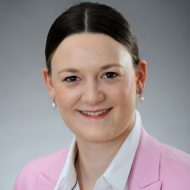
Dr. Ann-Christine Stahl
Project Lead
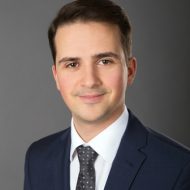
Dr. Federico Biavati
Project Lead

Tim Kilgus
Project Lead

Prof. Marc Dewey
Lead

PD Elke Zimmermann

Dr. Steffen Lukas
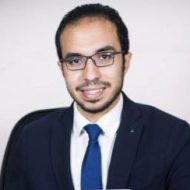
Dr. Mahmoud Mohamed
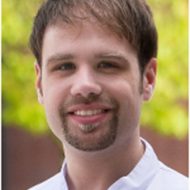
Dr. Florian Michallek

PD Dr. Matthias Rief

PD Dr. Julian Pohlan

Robin Bockelmann

Felix Bartling

Vladimir Serafimoski
Medical Student, Medical Doctorate.
Simon Andrzejewski

Anne-Marieke Stantien

Janine Samara Schenk

Hanna Balogh